Addressing Common Cosmetic Concerns with Porcelain Crowns
Table Of Contents
The Porcelain Crown Procedure
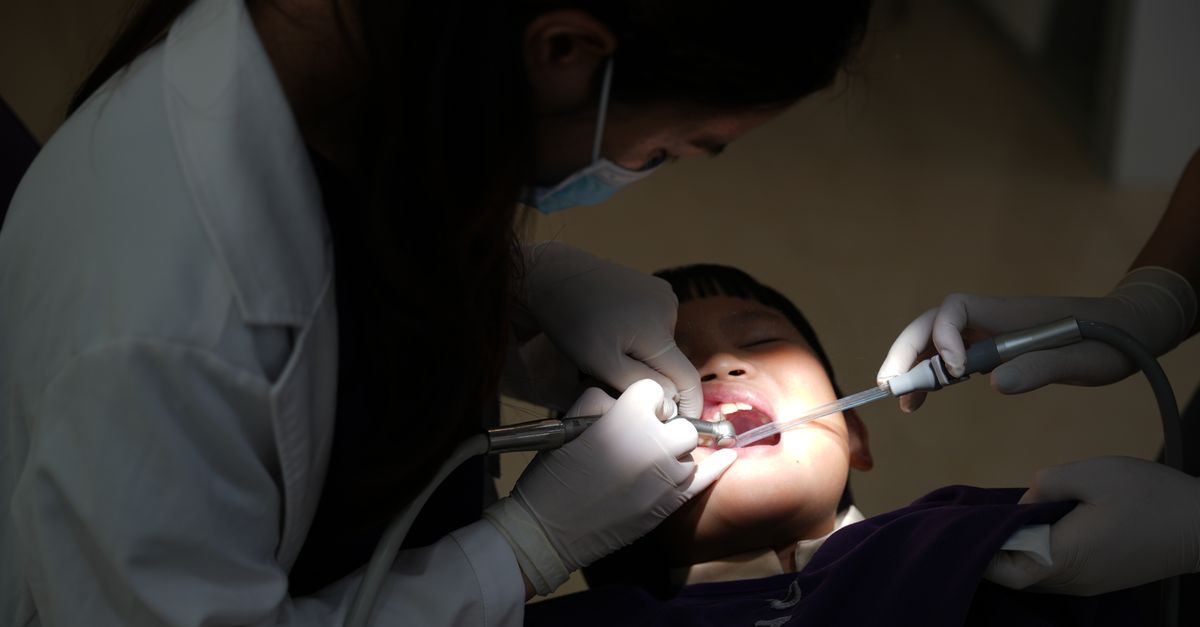
The process of placing porcelain crowns typically involves multiple stages, beginning with a comprehensive examination of the patient's dental health. The dentist often takes X-rays to evaluate the tooth structure underneath the crown. If the tooth requires additional treatment, such as a root canal, this is addressed before moving forward. Once the tooth is prepared, a local anaesthetic is administered to ensure comfort. The dentist then shapes the existing tooth to accommodate the crown, removing any decay and contouring it for a natural fit.
Next, an impression of the tooth is taken to create a custom crown that matches the surrounding teeth in size and colour. This impression helps make an accurate model for the dental lab, where the porcelain crown is fabricated. During this period, a temporary crown may be placed to protect the prepared tooth. Once the custom crown is ready, the patient returns for the final fitting. The dentist checks for the proper bite and aesthetics before permanently cementing the porcelain crown into place, ensuring a secure and functional restoration.
Steps Involved in Crown Placement
The initial stage of placing porcelain crowns begins with a thorough examination of the affected tooth and surrounding gum tissue. The dentist typically takes X-rays to assess the root of the tooth and determine if there are any underlying issues, such as decay or infection. Once these evaluations are complete, the tooth is prepared by reshaping it. This reshaping allows enough space for the crown to fit securely while maintaining proper alignment with adjacent teeth.
After the tooth is shaped, the dentist will take impressions to create a custom crown that closely matches the natural colour and contours of the surrounding teeth. Temporary crowns may be placed to protect the prepared tooth during the manufacturing process. Once the permanent crown is ready, the dentist will carefully position it over the tooth, making any necessary adjustments for proper fit and bite. Finally, the crown is permanently cemented in place, ensuring a durable and aesthetically pleasing solution for any cosmetic concerns.
Maintenance of Porcelain Crowns
Taking care of porcelain crowns is essential for ensuring their longevity and maintaining overall oral health. Regular dental check-ups are vital, as a dentist can assess the crown's integrity and address any emerging issues. Daily oral hygiene practices should include brushing with a soft-bristled toothbrush and fluoride toothpaste. Flossing around the crowns is equally important to prevent plaque build-up and gum disease in the surrounding area.
In addition to routine dental care, avoiding hard foods can help prevent chipping or damaging the crowns. Patients should also be mindful of habits such as teeth grinding, which can wear down the porcelain. Using a night guard may be recommended for those who grind their teeth at night. By adhering to these maintenance practices, individuals can enjoy the benefits of their porcelain crowns for many years.
Tips for Proper Care
Maintaining porcelain crowns requires a commitment to good oral hygiene. Regular brushing and flossing are essential, as they help prevent plaque buildup around the gum line and between teeth. Use a soft-bristled toothbrush and a non-abrasive fluoride toothpaste for optimal care. It is also beneficial to rinse with an antibacterial mouthwash to reduce the risk of gum disease and bacteria accumulation.
Regular dental check-ups play a crucial role in preserving the health of porcelain crowns. During these visits, your dentist can monitor the condition of the crowns and ensure there are no underlying issues. Avoiding habits such as grinding your teeth or chewing on hard objects can significantly extend the lifespan of your crowns. Staying mindful about what you eat and drink can also contribute to their durability and appearance.
Comparing Porcelain Crowns with Other Options
Porcelain crowns stand out for their aesthetic appeal, closely mimicking the natural appearance of teeth. Patients seeking a seamless integration with their smile often gravitate towards this option. Compared to metal crowns, porcelain offers greater translucency, allowing it to blend more effectively with surrounding teeth. This characteristic makes them an excellent choice for front teeth where visibility is paramount.
Metal crowns, while durable, fall short in terms of appearance. They may show through gums over time, leading to a less polished look. Moreover, metal options can provoke allergic reactions in some individuals, making porcelain a safer alternative for those with sensitivities. Each dental solution has its unique set of advantages, influencing the choice based on individual needs and preferences.
Porcelain vs. Metal Crowns
A key factor when deciding between porcelain crowns and metal crowns is aesthetics. Porcelain crowns closely mimic the appearance of natural teeth, making them an ideal choice for front teeth restorations. Their translucent quality and ability to reflect light make them blend seamlessly with surrounding teeth. In contrast, metal crowns, while highly durable and strong, often lack the natural look that many patients desire. They may be more suitable for molars where strength is paramount and appearance is less of a concern.
Durability is another important aspect to consider. Metal crowns generally have a longer lifespan compared to porcelain crowns, primarily due to their robust material composition. They resist wear and withstand considerable biting forces, making them a preferred option in areas requiring significant strength. Porcelain crowns, while strong, are more prone to chipping and cracking. Regular maintenance and careful handling can enhance their longevity, but patients need to be aware of the trade-offs between aesthetics and durability when making their choice.
FAQS
What are porcelain crowns, and how do they work?
Porcelain crowns are tooth-shaped caps made from durable ceramic material that are placed over a damaged or discoloured tooth to restore its shape, size, strength, and appearance. They work by fully encasing the tooth to provide protection and improve aesthetics.
How long does the porcelain crown procedure take?
The porcelain crown procedure typically involves two appointments. The first appointment includes tooth preparation and impressions, while the second appointment is for the placement of the crown. Overall, the process may take a few weeks, depending on the time required for the crown to be fabricated.
Are porcelain crowns permanent?
While porcelain crowns are designed to be durable and can last many years with proper care, they are not considered permanent. Over time, they may wear down or become damaged, necessitating replacement.
What are the advantages of choosing porcelain crowns over metal crowns?
Porcelain crowns offer several advantages, including a more natural appearance that closely resembles the colour and translucency of natural teeth. They are also less likely to cause sensitivity to temperature changes and do not contain metal, making them an excellent choice for patients with metal allergies.
How can I maintain my porcelain crowns to ensure their longevity?
To maintain porcelain crowns, practice good oral hygiene by brushing and flossing regularly, avoid hard or sticky foods that can damage the crowns, and visit your dentist for regular check-ups. Additionally, using a non-abrasive toothpaste can help preserve the crown’s surface.
Related Links
Creating Beautiful Smiles with Innovative Aesthetic FillersThe Importance of Consultation in Cosmetic Dental Treatments
Understanding the Impact of Orthodontics on Aesthetic Dentistry
The Role of Smile Design in Modern Cosmetic Dentistry
Achieving a Balanced Smile with Gum Contouring Procedures
Exploring the Latest Trends in Cosmetic Bonding Techniques
The Benefits of Dental Veneers for a Flawless Appearance
Transforming Your Smile with Customised Dental Implants
Enhancing Smiles with Professional Teeth Whitening Solutions