Assessing Dental Education and Specialisations for Family Dentists
Table Of Contents
Challenges in Dental Education
Dental education faces various hurdles that impact the quality of training for aspiring family dentists. One significant challenge is the rapid evolution of dental practices and technologies, which outpaces traditional curricula. This can lead to a disconnect between what students learn in the classroom and the current demands of the dental profession. Additionally, the financial burden of dental education can deter prospective students, resulting in a dwindling number of entrants into the field.
Another prominent issue is the disparities in access to quality dental education across different institutions. While some universities boast state-of-the-art facilities and resources, others struggle with outdated equipment and insufficient funding. This inconsistency affects the overall training experience for students, ultimately impacting their confidence and competence when they enter the workforce. Emphasis on theoretical knowledge can also overshadow the essential practical skills that family dentists require in their day-to-day practice.
Addressing Gaps in Training
Existing dental curricula often fall short in equipping future practitioners with essential skills for a comprehensive family dentistry practice. Topics such as communication skills, patient management, and the integration of holistic care are sometimes overlooked in favour of clinical techniques and theoretical knowledge. As family dentists frequently serve diverse populations with various needs, it is crucial that training includes a more balanced approach. This would ensure practitioners are well-prepared not only to perform clinical procedures but also to engage effectively with patients.
To address these gaps, dental education programmes can benefit from a more interdisciplinary approach. Collaborations with other health disciplines can offer insights into patient care that extend beyond oral health. Incorporating modules on behavioural science, public health, and nutrition into the curriculum can equip future dentists with the tools to provide comprehensive care. Furthermore, enhancing opportunities for mentorship and peer learning can further enrich students’ experiences, preparing them for the multifaceted challenges they will encounter in their careers.
The Impact of Technology on Dental Education
Technology has significantly reshaped dental education, offering innovative methods for both teaching and learning. Digital platforms enable students to access vast resources, from online lectures to interactive simulations, facilitating a deeper understanding of complex clinical concepts. Virtual reality and augmented reality tools provide immersive experiences, allowing students to practise procedures in a risk-free environment. This shift towards technology-driven education enhances engagement and the ability to visualise intricate dental procedures.
Furthermore, the incorporation of e-learning modules and online assessment tools has streamlined the evaluation process. Educators can quickly identify areas where students struggle, adapting their teaching strategies accordingly. This data-driven approach promotes personalised learning pathways, catering to individual needs and improving overall competency. As dental education continues to evolve, the technological advancements create opportunities for enhanced collaboration among students and faculty, fostering a supportive learning community.
Incorporating Digital Tools in Learning
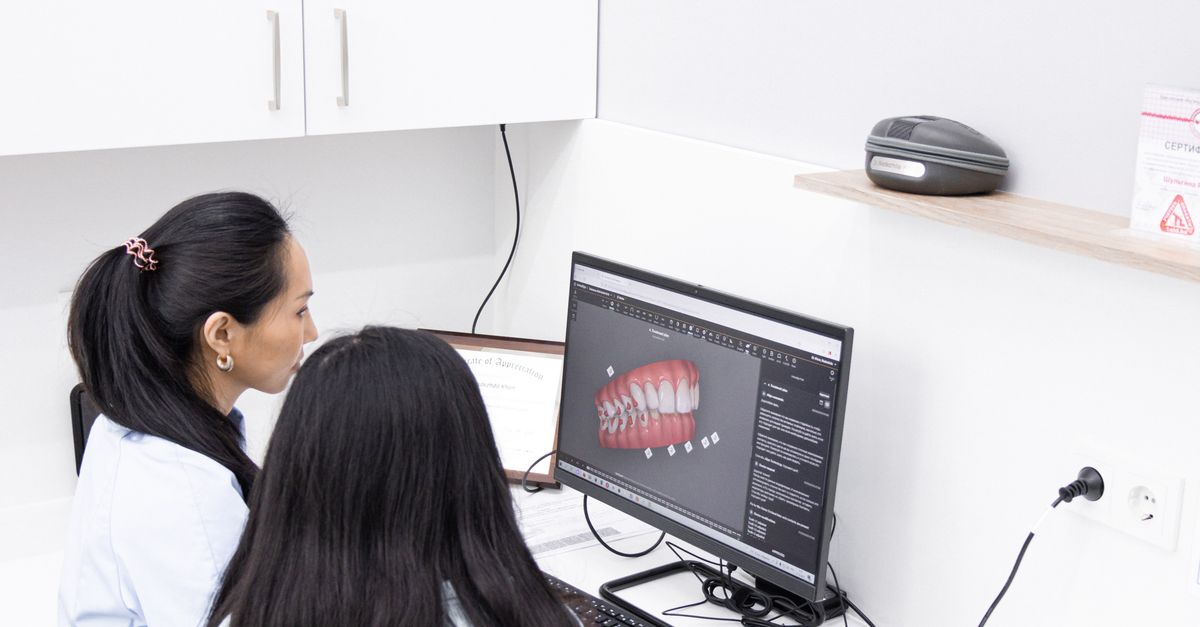
The integration of digital tools in dental education has transformed how knowledge is imparted and skills are developed. Educators increasingly utilise interactive platforms that allow students to engage with 3D models of dental anatomy and simulations of clinical procedures. These resources enhance understanding and retention of complex concepts, providing an interactive alternative to traditional lectures and textbooks. As a result, students can visualise and manipulate anatomical structures, an aspect crucial for their later practical application in real patient scenarios.
Furthermore, online learning modules have gained traction, offering flexibility and accessibility for both students and instructors. With the ability to access tutorials and educational resources at any time, learners can tailor their study schedules to their individual needs. This shift not only accommodates different learning styles but also prepares future dentists for a practice environment where technology plays a pivotal role. By embracing these digital innovations, dental education equips students with the necessary skills to thrive in an evolving landscape.
Role of Clinical Experience
Clinical experience serves as a fundamental aspect of dental education, providing students with the opportunity to apply theoretical knowledge in real-world scenarios. This hands-on practice enables future dentists to develop their clinical skills under the supervision of seasoned professionals. Engaging with patients enhances diagnostic abilities and fosters effective communication, which are essential competencies for any family dentist.
Exposure to a variety of cases during clinical rotations is vital for comprehensive learning. It prepares students to encounter diverse patient needs and challenges in their future practices. Working in different environments, whether in public health facilities or private practices, broadens their understanding of dental procedures and treatments. This kind of immersive experience ultimately strengthens their confidence and proficiency, enabling them to provide quality care in their careers.
Hands-on Training Opportunities
Experiential learning plays a crucial role in shaping the skills and confidence of future family dentists. Clinical placements in dental schools provide invaluable opportunities for students to gain first-hand experience in real-world scenarios. During these placements, dental students interact with patients, practice clinical procedures under supervision and develop critical thinking skills in a practical setting. Such exposure not only enhances their technical abilities but also allows them to understand patient management more comprehensively.
Furthermore, hands-on training fosters an environment of collaboration among students, faculty, and practising dentists. This interaction encourages mentorship and facilitates knowledge sharing, creating a community of learning that extends beyond classroom boundaries. Workshops and skill development sessions are instrumental in refining specific techniques, from basic restorative procedures to advanced cosmetic treatments. The combination of guided practice and peer feedback strengthens the foundation of family dentistry, preparing graduates to meet the diverse needs of their future patients effectively.
FAQS
What are some of the main challenges in dental education today?
Some of the main challenges in dental education include keeping up with advancements in technology, addressing gaps in training for diverse specialisations, and ensuring that students receive adequate hands-on clinical experience.
How can gaps in training be addressed for family dentists?
Gaps in training can be addressed by incorporating updated curricula that reflect current dental practices, providing mentorship opportunities, and offering specialised training programs tailored to the needs of family dentists.
How has technology impacted dental education?
Technology has significantly impacted dental education by enhancing learning through digital tools, providing access to virtual simulations, and facilitating remote learning opportunities that improve the overall educational experience for dental students.
What kinds of digital tools are being incorporated into dental education?
Digital tools such as virtual reality simulations, online learning platforms, and interactive software for case studies and treatment planning are being increasingly incorporated into dental education to enhance student engagement and understanding.
Why is clinical experience important for dental students?
Clinical experience is crucial for dental students as it allows them to apply theoretical knowledge in real-world settings, develop practical skills, and gain confidence in their abilities to provide patient care before entering professional practice.
Related Links
Why Work Experience Matters When Choosing a Family DentistTips for Evaluating Family Dentist Qualifications in Broadmeadows
Navigating Online Resources to Check Family Dentist Qualifications
Key Indicators of a Qualified Family Dentist for Broadmeadows Residents
Exploring the Impact of Certifications on Your Family Dentist's Practice