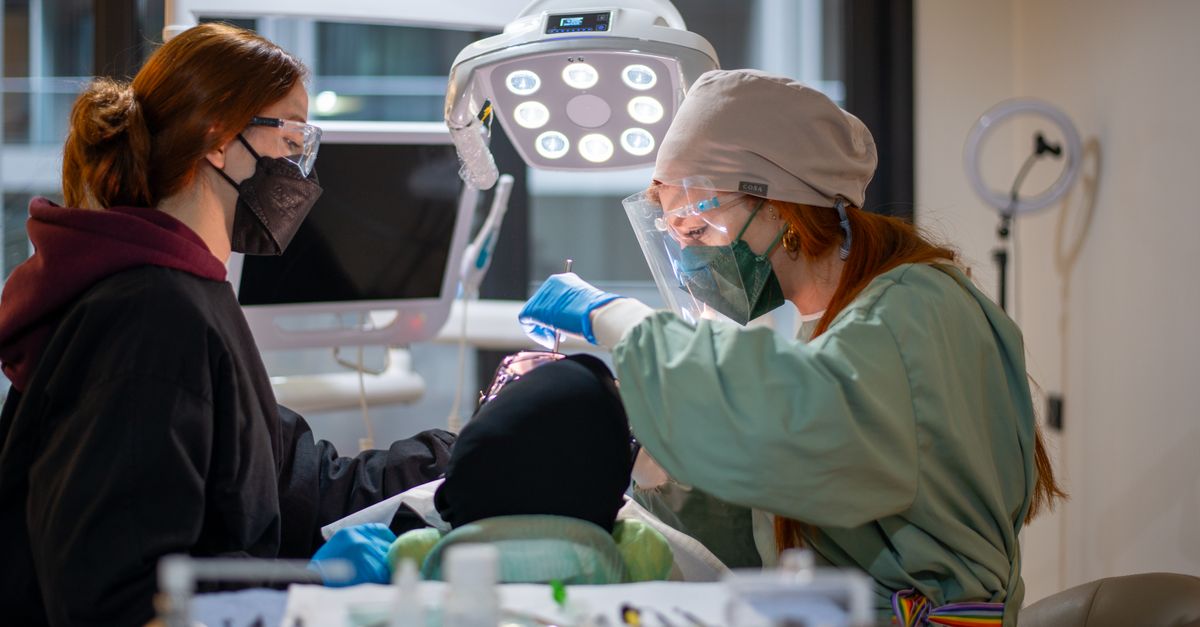
Emergency Dental Services: What to Expect During a Visit
Table Of Contents
Treatment Options for Common Emergencies
Dental emergencies can arise in various forms, necessitating immediate and tailored treatment. For a knocked-out tooth, re-implantation is crucial within the first hour. This procedure requires the tooth to be handled carefully by its crown while the roots should be rinsed gently if dirty. In cases of severe toothaches due to decay or infection, a dentist may perform a root canal or extract the affected tooth to alleviate pain and prevent further complications.
Another common issue is a cracked or fractured tooth, which may require bonding or a dental crown depending on the extent of the damage. Patients experiencing gum problems, such as abscesses or severe swelling, often receive antibiotics alongside surgical intervention to drain any infections. Each situation dictates a specific approach to ensure optimal recovery and health, making it essential to consult a professional immediately when these issues arise.
Immediate Care Solutions
When faced with a dental emergency, seeking immediate care is crucial. Common situations include severe tooth pain, knocked-out teeth, or significant swelling. Dental clinics usually allocate time slots for emergency cases. This ensures that patients can receive care as quickly as possible. Those experiencing intense discomfort may find relief through prompt treatments such as pain management or stabilising damaged teeth.
Treatment possibilities cover a range of solutions. For example, if a tooth has been dislodged, professionals often can reattach it if attended to quickly. In cases of fractures or severe decay, filling materials or crowns may be applied to restore function. Treatments aim not only to address immediate pain and dysfunction but also to prevent further complications, allowing patients to return to their daily lives with minimal disruption.
Follow-Up Care After Emergency Treatment
After receiving emergency dental treatment, it is essential to adhere to the follow-up care instructions provided by the dentist. These instructions may include guidance on managing pain, using prescribed medications, and maintaining oral hygiene in the affected area. Following these steps ensures proper healing and reduces the risk of complications.
Regular check-ups post-emergency treatment are also critical to monitor recovery and address any issues that may arise. Dentists may advise additional treatments, adjustments, or preventive measures during these appointments. Staying informed and proactive about one’s dental health plays a significant role in achieving long-term outcomes after an emergency.
Importance of Post-Visit Instructions
Post-visit instructions play a vital role in ensuring the success of emergency dental treatment. Patients often leave the dentist's office with specific guidelines tailored to their needs. These instructions may include information on pain management, dietary restrictions, and oral hygiene practices. Adhering to these guidelines can significantly reduce the risk of complications, promoting a smoother recovery process.
Understanding and following the provided instructions can lead to better long-term outcomes. Skipping steps or misinterpreting advice may result in unnecessary discomfort or even further dental issues. Regularly checking in with the dental professional if any concerns arise is equally important. Open communication can foster a supportive relationship and aid in addressing any complications that may arise post-treatment.
Costs Associated with Emergency Dental Services
Emergency dental services often come with higher costs compared to routine care. This is partly due to the urgent nature of the services provided and the specialised equipment required to address immediate issues. Patients may encounter fees for examinations, X-rays, and treatments ranging from fillings to extractions. The total expense can also vary based on the time of the visit, especially if it occurs after hours or on weekends.
Understanding pricing can be crucial for those seeking emergency care. Many dental practices provide upfront estimations, which can help in decision-making during stressful situations. Insurance coverage plays a significant role in offsetting these costs, yet not all plans cover emergency services fully. It is advisable for patients to check their policy details, ensuring clarity on what is included when seeking urgent dental assistance.
Understanding Pricing and Insurance Coverage
Emergency dental services can lead to unexpected costs, and it's vital to be aware of what to expect. The price of treatment often depends on the nature and complexity of the dental emergency. Simple procedures, such as a tooth extraction, may have lower fees compared to more intricate interventions like root canals. Additionally, factors such as location and the dental practice’s pricing policies can significantly influence overall costs.
Insurance coverage plays a crucial role in determining out-of-pocket expenses. Many dental plans offer some reimbursement for emergency services, but not all treatments may be fully covered. Patients should verify their insurance details and check for exclusions or limitations prior to seeking care. Understanding the specifics of one’s policy can help in managing costs effectively and ensuring access to necessary treatments during emergencies.
FAQS
What types of dental emergencies can be treated?
Common dental emergencies include toothaches, knocked-out teeth, broken or fractured teeth, lost fillings or crowns, and soft tissue injuries in the mouth.
How should I handle a knocked-out tooth before getting to the dentist?
Rinse the tooth gently with water, avoiding touching the root. If possible, place it back into the socket. If this isn't feasible, keep it moist by placing it in milk or saliva until you reach the dentist.
What can I expect during my emergency dental visit?
During your visit, the dentist will assess your condition, provide immediate pain relief, and recommend appropriate treatment options based on your specific emergency.
Why is follow-up care important after an emergency dental visit?
Follow-up care is crucial to monitor healing, address any complications, and ensure that the initial treatment was effective. It also provides an opportunity to discuss any ongoing care or preventive measures.
Will my health insurance cover emergency dental services?
Coverage for emergency dental services varies by plan. It's best to check with your insurance provider to understand your policy limits, co-pays, and whether specific procedures are covered.
Related Links
When to Seek Immediate Dental Attention for Your ChildQuick Tips for Maintaining Oral Health During Emergencies
The Significance of After-Hours Dental Care for Families
Dental Emergency Protocols: Keeping Your Family Safe
How to Prepare for a Dental Emergency Situation
The Role of Family Dentists in Providing Urgent Care
Choosing an Emergency Dentist for Your Family's Needs
Common Dental Emergencies and How to Handle Them