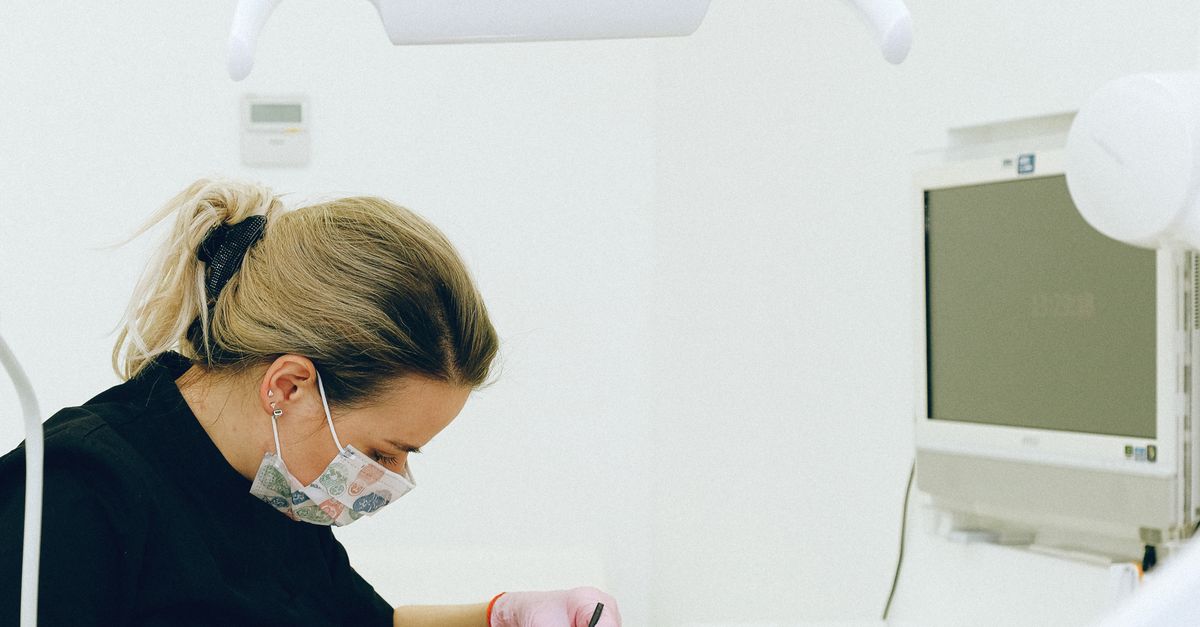
How Distance Affects Dental Visit Frequency for Families
Table Of Contents
Strategies for Encouraging Regular Dental Visits
Regular dental visits are essential for maintaining oral health, yet many families struggle to make them a priority. One effective strategy is to establish a routine that incorporates dental check-ups into the family calendar. Scheduling appointments well in advance can help families secure time slots that are convenient. Additionally, creating a reminder system using calendars or mobile apps can help reinforce the importance of these visits. When families treat dental appointments as important as school events or birthdays, they are more likely to follow through.
Another approach involves educating family members about the benefits of consistent dental care. Discussing the long-term impact of oral health on overall wellbeing can motivate individuals to attend their appointments regularly. Making dental health a topic of family conversations, including sharing experiences about visits, can also alleviate any anxiety associated with dental appointments. Engaging children in discussions about the significance of their dental health promotes healthy habits from a young age, fostering a culture of proactive dental care within the family.
Creating a Family Dental Care Plan
A well-structured dental care plan can foster a positive approach to oral health within families. This plan should include a schedule for regular check-ups, emphasizing the importance of consistency. It is helpful to establish specific times of the year for these visits, aligning them with other family commitments to simplify logistics. Incorporating educational materials on oral hygiene can enhance awareness, particularly among younger family members, ensuring everyone understands the significance of these appointments.
Furthermore, the plan should consider each family member's unique needs. Factors such as age, dental history, and individual apprehensions about dental visits should be taken into account. Customising strategies for each person can mitigate anxiety and increase participation. Engaging children in conversations about their dental care can encourage their involvement and reduce fear. By nurturing a supportive environment, families can transform dental visits from daunting tasks into collaborative health initiatives.
The Role of Technology in Improving Dental Visit Frequency
Technological advancements have the potential to significantly enhance communication between dental practices and families. Online scheduling platforms allow parents to conveniently choose appointment times that fit their busy lifestyles. Reminders sent via apps or text messages ensure that dental visits are not overlooked, making it easier for families to maintain their oral health routines. Additionally, digital check-in processes can help reduce wait times, further encouraging regular visits.
Telehealth options have emerged as a valuable resource for families living in remote areas. Virtual consultations can provide a preliminary assessment, addressing concerns before an in-person visit is required. This approach fosters a sense of connection with dental professionals, alleviating apprehension and enhancing the likelihood of regular check-ups. Furthermore, educational resources accessed through dental practice websites can empower families to take charge of their oral health, bridging the gap created by distance.
Telehealth Options for Dental Consultations
The integration of telehealth into dental care has transformed the way families manage their oral health needs. Virtual consultations allow parents and children to connect with dental professionals from the comfort of their homes. This convenience can be particularly beneficial for those living in remote areas or for families that find travelling to a dentist a logistical challenge. Through video calls, dentists can provide guidance on immediate concerns, assess dental issues, and offer preventive advice without necessitating an in-person visit.
Moreover, telehealth can serve as a bridge for ongoing dental education. Dentists can share resources, demonstrate oral hygiene techniques, and explain treatment options in real time. This means that families can access essential support and information that reinforces the importance of regular check-ups and good dental habits. By leveraging technology, dental professionals can enhance engagement with patients, ensuring that distance does not hinder a family's commitment to their dental health.
The Psychological Effects of Distance on Health Engagement
Distance often plays a significant role in shaping a family's attitude towards healthcare, including dental visits. When faced with long travel times, families may prioritise convenience over regular check-ups, leading to a pattern of avoidance. The perceived effort required to make the journey can create a psychological barrier, making it easier for families to dismiss the importance of routine dental care. This avoidance tendency is often compounded by the stress associated with travelling, especially for families with young children or those managing busy schedules.
Psychological factors can profoundly influence health engagement. Anxiety related to dental procedures may escalate when coupled with the challenges of distance. Fear of the unknown can deter families from seeking necessary care, even when they recognise the potential long-term benefits of regular visits. Consequently, understanding how distance impacts these psychological factors can assist dental professionals in developing strategies to reach out and support families in overcoming these barriers.
Overcoming Fear and Anxiety About Dental Visits
Fear and anxiety surrounding dental visits can be significant barriers for families, often stemming from past experiences or negative perceptions. Children, in particular, may develop a lasting apprehension if they associate dental appointments with discomfort or unfamiliarity. Creating a supportive environment, where families openly discuss their concerns, can help ease these anxieties. It is crucial to introduce children to dental care gradually, allowing them to become accustomed to the office setting, tools, and staff, which can foster a sense of security and trust.
Dental professionals also play an essential role in alleviating fears. They can employ calming techniques such as gentle communication, clear explanations of procedures, and visual aids to demystify the dental process for patients of all ages. Establishing a rapport with the dentist can encourage families to view dental visits as positive experiences rather than sources of stress. Providing resources or workshops on managing dental anxiety can further contribute to building confidence, ensuring families are more likely to keep their dental appointments regularly.
FAQS
How does distance from a dental clinic affect a family's visit frequency?
Families living further away from a dental clinic may find it more challenging to schedule regular visits due to factors such as travel time, transportation issues, and the overall inconvenience, which can lead to less frequent check-ups.
What strategies can families implement to encourage regular dental visits?
Families can create a family dental care plan, schedule appointments in advance, and combine dental visits with other errands to make the trip more efficient. Additionally, setting reminders can help keep dental appointments a priority.
How can technology assist in maintaining dental visit frequency?
Technology can help by offering telehealth options for consultations, sending appointment reminders through apps, and providing access to educational resources about oral health, making it easier for families to stay engaged with their dental care.
What are telehealth options for dental consultations?
Telehealth options include virtual appointments with dentists for consultations, follow-up care, and even some diagnostic evaluations, allowing families to access dental advice without the need for travel.
What psychological effects might distance have on a family's approach to dental care?
Distance can create feelings of anxiety and fear about dental visits, especially for children. Overcoming these psychological barriers is essential for encouraging regular visits, which can be addressed through education, supportive communication, and gradual exposure to dental environments.
Related Links
The Benefits of Choosing a Conveniently Located Family DentistNavigating Access to Family Dentists in Your Area
Community Resources for Locating Family Dentists in Broadmeadows
Understanding the Role of Accessibility in Dental Care for Families
Selecting a Family Dentist with Accessible Transport Links
Assessing Parking Availability at Family Dental Practices