The Connection Between Patient Experiences and Family Dental Care
Table Of Contents
Creating a Welcoming Dental Environment
A warm and inviting atmosphere in dental clinics plays a crucial role in shaping patient experiences. Thoughtfully designed waiting areas featuring comfortable seating and pleasant decor help alleviate initial apprehensions. Including elements such as natural lighting and greenery contributes to a calming environment. By providing magazines, children's toys, and relaxing music, practices can create spaces that make visits less daunting for patients of all ages.
The interactions between staff and patients significantly influence the overall experience. Greeting patients with genuine warmth can make a world of difference. Staff members who take the time to explain procedures and address concerns foster trust among patients. Additionally, establishing a friendly rapport helps create a sense of belonging, encouraging patients to feel more at ease during their appointments.
The Importance of Office Atmosphere and Design
The design and atmosphere of a dental office play a crucial role in shaping patient experiences. A warm, inviting environment helps to alleviate the anxiety many people associate with dental visits. Natural light, calming colours, and comfortable furniture can create a setting that feels less clinical and more welcoming. Artwork, plants, and thoughtful decor contribute to a sense of relaxation, encouraging patients to feel at ease as they await their appointments.
Sound also contributes significantly to the overall environment of a dental practice. Soft music or natural sounds can mask the unsettling noises often associated with dental procedures. Attention to such details fosters a more pleasant atmosphere, potentially enhancing the patient’s perception of their care. By prioritising these elements in the office design, dental providers can help ensure that patients not only feel comfortable but also have a positive experience throughout their appointment.
Using Technology to Enhance Patient Experiences
Incorporating technology into dental practices offers an opportunity to significantly improve patient experiences. Online appointment scheduling streamlines the booking process, allowing patients to select times that are convenient for them. Digital patient records enhance efficiency during consultations. This technology not only reduces waiting times but also empowers practitioners to access vital information rapidly, creating a more seamless interaction.
Additionally, tele dentistry has emerged as a valuable tool for providing care remotely. Patients can attend consultations from the comfort of their homes, which is particularly beneficial for those with mobility issues or tight schedules. Virtual appointments help maintain continuity of care, ensuring that patients receive timely advice without the stress of an in-person visit. Integrating these technological advancements supports a more patient-centric approach in family dental care.
Innovations in Dental Care and Communication
Advancements in technology have significantly transformed the way dental practices communicate with patients. Online appointment scheduling, reminders via text or email, and patient portals for accessing dental records enhance convenience and engagement. Furthermore, tele-dentistry has emerged as a vital innovation, allowing for remote consultations that can alleviate concerns and streamline care. These digital tools not only improve the overall patient experience but also foster a sense of connection between dentists and their clients.
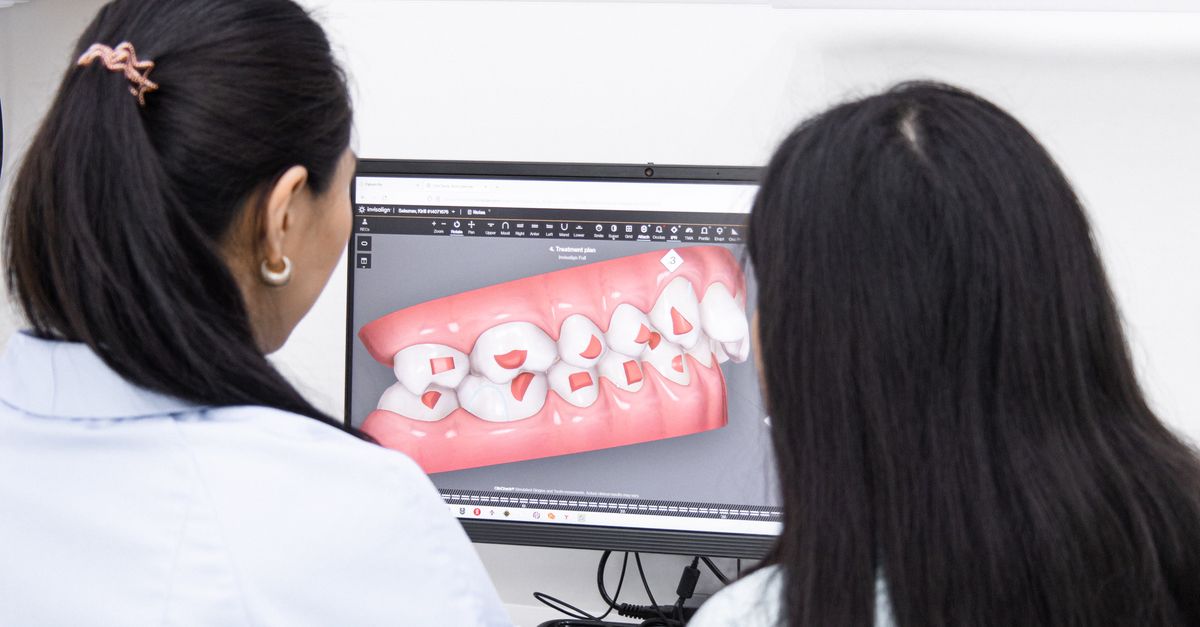
Another key innovation is the use of sophisticated imaging and diagnostic tools. Technologies like 3D imaging and intraoral cameras provide patients with clear visuals, helping them understand their dental health better. This transparency in communication builds trust and encourages informed decision-making regarding treatments. Additionally, the integration of virtual reality can serve as a calming distraction during procedures, making visits less daunting for patients and improving their overall experience in the dental chair.
The Psychological Benefits of Dental Care
Dental care goes beyond maintaining oral hygiene. It plays a significant role in influencing mental well-being. Regular visits to the dentist can lead to improved self-esteem, as individuals often feel more confident when they have healthy, well-maintained teeth. This confidence can translate into better social interactions and personal relationships.
Anxiety surrounding dental procedures is common for many patients. By implementing supportive practices, dental professionals can help alleviate these fears. Techniques that foster a calm environment, such as effective communication and comfort measures, significantly reduce stress levels. When patients feel understood and supported, they are more likely to engage fully in their dental care and, consequently, improve their overall psychological health.
Reducing Anxiety Through Supportive Practices
Dental anxiety impacts a significant number of individuals, affecting their willingness to seek necessary care. Practices that alleviate this fear can profoundly influence patient experiences in a family dental setting. By implementing supportive measures such as gentle communication, active listening, and empathetic responses, dental professionals create an environment where patients feel understood. Introducing calming techniques, such as deep breathing exercises, can also contribute to reducing anxiety levels, making visits more manageable for both children and adults.
Incorporating a personalised approach to patient interactions is essential. Knowing a patient’s history helps practitioners tailor their approach, making each visit feel more comfortable. Additionally, the presence of comforting amenities, like soothing music or plush waiting room seating, assists in easing nerves before treatment. Together, these thoughtful practices not only help in reducing anxiety but also foster a sense of trust and safety, encouraging families to prioritise their dental health without the fear that often accompanies dental visits.
FAQS
Why is a welcoming dental environment important for patients?
A welcoming dental environment helps create a sense of comfort and trust, which can reduce anxiety and improve overall patient satisfaction. Factors such as office design, friendly staff, and a clean atmosphere contribute to a positive experience.
How does technology enhance patient experiences in dental care?
Technology enhances patient experiences through innovations such as online appointment booking, digital patient records, and advanced diagnostic tools. These technologies streamline processes, improve communication, and provide patients with more information about their care.
What role does office atmosphere play in patient experiences?
The office atmosphere significantly impacts patient experiences by influencing their comfort levels. A well-designed, calming environment with thoughtful decor and comfortable seating can make patients feel more at ease during their visits.
How can dental practices reduce anxiety for patients?
Dental practices can reduce anxiety through supportive practices such as offering clear communication, providing reassurance, using gentle techniques, and allowing patients to express their concerns. Some offices also offer relaxation techniques or sedation options to help ease patient fears.
What are the psychological benefits of quality dental care?
Quality dental care provides psychological benefits by improving self-esteem and confidence through enhanced oral health. Patients who feel good about their smiles are often more socially engaged and have a better quality of life overall.
Related Links
What to Look for in Family Dentist TestimonialsUnderstanding the Role of Online Reviews in Choosing a Dentist
How to Use Social Media Reviews to Find the Best Family Dentist
Tips for Interpreting Patient Testimonials for Dental Services
Navigating Negative Reviews: What They Can Teach You
The Influence of Positive Reviews on Dental Care Decisions
Evaluating Patient Feedback to Find the Right Family Dentist
The Importance of Testimonials When Selecting a Family Dentist
How Patient Reviews Impact Your Choice of Family Dentist in Broadmeadows