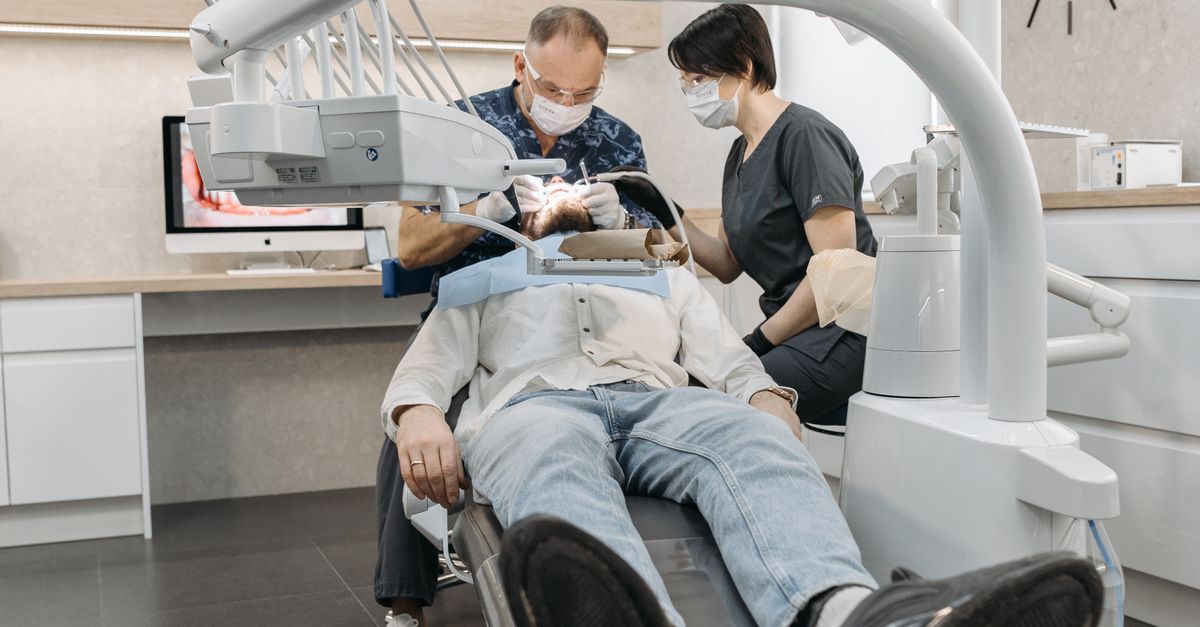
Understanding the Importance of Comprehensive Dental Care in Family Settings
Table Of Contents
The Importance of Oral Hygiene Practices
Maintaining oral hygiene is crucial for preventing various dental issues, such as cavities and gum disease. Regular brushing and flossing help remove plaque buildup and food particles that can lead to more serious health problems. A consistent oral hygiene routine also contributes to fresher breath and a brighter smile, enhancing overall confidence in family members. Educational resources can help families understand the benefits of these practices and motivate everyone to adhere to them.
In many households, establishing good oral hygiene habits early is essential for lifelong health. Parents play a pivotal role in modelling these practices, ensuring children understand the importance of caring for their teeth. Utilising fun tools like colourful toothbrushes or engaging songs can make brushing more enjoyable for younger family members. Encouraging open discussions about dental health can foster a supportive environment where every family member feels comfortable participating.
Daily Routines for Every Family Member
Establishing a consistent oral hygiene routine is essential for everyone in the family. It’s important to brush teeth twice a day with fluoride toothpaste, ensuring that each family member dedicates at least two minutes to this task. Flossing daily is equally vital as it helps remove plaque and food particles from between teeth where a toothbrush may not reach. For younger children, parents should supervise and assist with brushing to ensure proper technique and to make it a fun activity.
Incorporating mouthwash into the routine can also be beneficial, particularly for older children and adults, as it further aids in combatting bad breath and reducing plaque buildup. Regular visits to the dentist for check-ups and cleanings should be scheduled as a family tradition, reinforcing the importance of oral health throughout life. These daily practices not only improve individual dental health but also set a positive example for younger family members, creating lasting habits that carry into adulthood.
Overcoming Dental Anxiety in Children
Dental anxiety is a common issue among children, profoundly affecting their willingness to seek care. It can stem from a variety of sources, including previous negative experiences, fear of the unknown, or even observing the anxiety of adults. Creating a supportive environment is crucial. Parents can help by normalising dental visits and discussing them positively. Using simple language to explain procedures may also alleviate fears.
To foster a more comfortable dental experience, incorporating fun elements can be beneficial. Some dental clinics offer child-friendly environments, featuring toys, colourful decorations, and engaging staff. Preparing children by reading books or watching videos about dental visits can further demystify the experience. Additionally, parents can consider using rewards systems after appointments to build positive associations with dental care.
Strategies to Create a Positive Dental Experience
A pleasant dental experience begins at home. Parents can instil good attitudes towards dental visits by discussing the importance of oral health in a fun and engaging manner. Sharing stories about favourite superheroes or characters who visit the dentist can help demystify the experience. Incorporating role-play scenarios can also be effective. Children can take turns playing the dentist and the patient, which allows them to understand what to expect during a visit, reducing the fear of the unknown.
During appointments, the dental practice environment plays a crucial role. Welcoming waiting areas filled with engaging activities can ease anxiety for both children and adults. Dentists and hygienists should use positive language and gentle approaches when interacting with young patients. Allowing children to choose their toothbrush or flavour of toothpaste can give them a sense of control. Overall, fostering a supportive, friendly atmosphere contributes to a much more relaxed dental visit.
The Connection Between Oral Health and Overall Wellness
Oral health plays a crucial role in overall wellness, affecting more than just the mouth. Poor dental hygiene can lead to a range of health complications including heart disease, diabetes, and respiratory issues. The mouth acts as a gateway to the body; bacteria from periodontal disease can enter the bloodstream, leading to systemic inflammation. This links gum health directly to the body's overall inflammatory processes, showing that maintaining good oral hygiene is vital for preventing serious health conditions.
Furthermore, the state of one's oral health can influence nutritional choices and dietary habits. Individuals with dental problems may find it difficult to chew and enjoy certain foods, leading to a less balanced diet. This nutritional imbalance can, in turn, exacerbate existing health conditions or create new ones. Therefore, regular dental check-ups and maintaining oral hygiene practices are essential not just for protecting teeth and gums but also for supporting holistic health across the family unit.
How Dental Care Influences General Health
The mouth serves as a gateway to the body, making oral health crucial for overall wellness. Poor dental hygiene can lead to various systemic issues, including heart disease, diabetes, and respiratory infections. Bacteria from untreated dental conditions, such as gum disease, can enter the bloodstream and trigger inflammation. This inflammation may contribute to the development of chronic illnesses, highlighting the interconnectedness of oral hygiene and general health.
Regular dental check-ups play a vital role in identifying potential health risks early. Professional cleanings and examinations help to maintain not only the health of teeth and gums but also provide insights into other health conditions. For instance, signs of vitamin deficiencies and oral cancer can be detected during routine visits, prompting timely intervention. A commitment to comprehensive dental care is essential for promoting a healthier life and preventing more serious long-term health issues.
FAQS
What are the key components of a comprehensive dental care plan for families?
A comprehensive dental care plan for families should include regular dental check-ups, proper oral hygiene practices for all family members, education on nutrition and its impact on oral health, and strategies to address dental anxiety, particularly in children.
How can I encourage my children to maintain good oral hygiene?
Encouraging good oral hygiene in children can be achieved by establishing a fun and engaging brushing routine, using rewards for consistent brushing, and involving them in selecting their own toothbrushes and toothpaste. Additionally, educating them about the importance of oral health through games or stories can also help.
What are effective strategies to help children overcome dental anxiety?
Effective strategies to help children overcome dental anxiety include scheduling dental appointments at times when they are least likely to be tired or hungry, using positive reinforcement, allowing them to bring a comforting object, and explaining the dental procedures in simple, reassuring terms.
How does oral health influence overall wellness?
Oral health plays a significant role in overall wellness as conditions such as gum disease can lead to serious health issues, including heart disease and diabetes. Maintaining good oral hygiene can help prevent these issues, promote better nutritional habits, and improve self-esteem and quality of life.
How often should family members visit the dentist for check-ups?
Family members should generally visit the dentist for check-ups at least twice a year. However, individuals with specific dental conditions may require more frequent visits. It’s essential to consult with a dentist to determine the best schedule for each family member.
Related Links
Tailoring Dental Care to Meet the Needs of Every Family MemberEnhancing Family Well-being Through Comprehensive Dental Care
Empowering Families with Knowledge for Better Oral Health Decisions
Bridging the Gap Between Children's and Adult Dental Care
Comprehensive Dental Strategies for Families in Broadmeadows
Fostering Healthy Habits Through Family-Oriented Dental Services
The Impact of Comprehensive Family Dentistry on Lifelong Oral Health
Multigenerational Benefits of a Family-Centric Dental Approach
The Role of Family Dentists in Maintaining Oral Health for All Ages