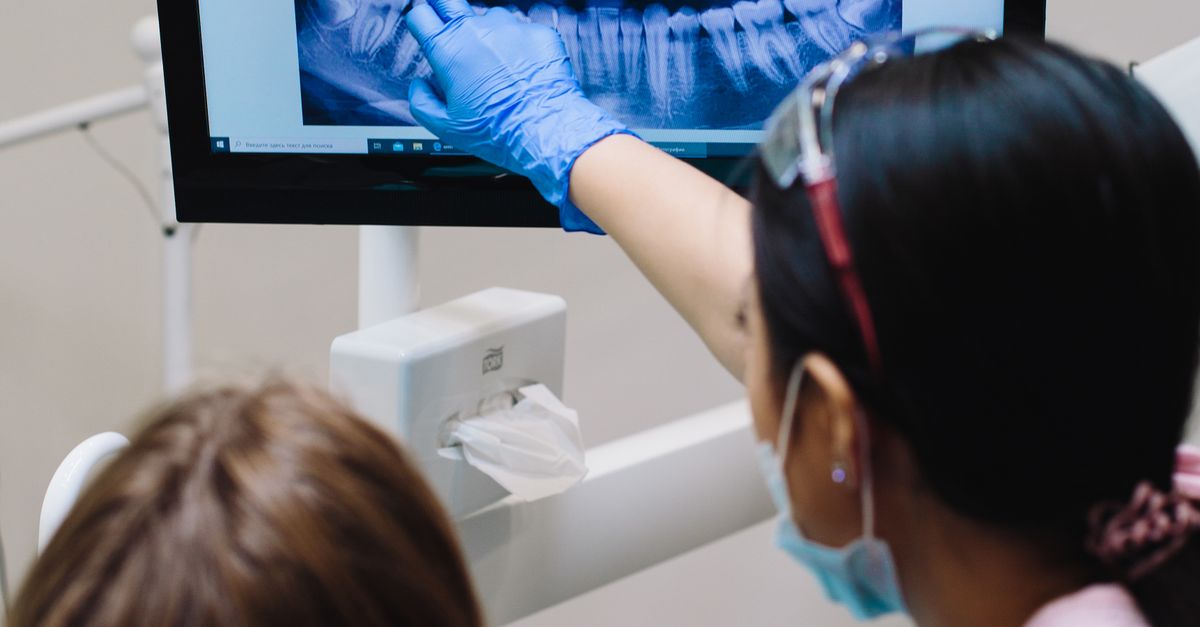
Educating Families on Oral Hygiene Practices
Table Of Contents
Regular Dental Check-ups and Their Benefits
Routine dental visits play a crucial role in maintaining optimal oral health. Regular check-ups enable dentists to detect issues such as cavities, gum disease, and oral cancers in their early stages, making treatment more manageable. Preventive care through professional cleanings helps remove plaque and tartar buildup, reducing the risk of dental problems. Additionally, these appointments provide an opportunity for dentists to offer tailored advice on oral hygiene practices specific to individual needs.
The benefits extend beyond physical health as well. Regular dental check-ups can lead to improved overall wellbeing by reducing anxiety associated with dental issues. When families prioritise these appointments, they foster a culture of health and proactive care. This routine not only helps maintain healthy smiles but also instills lifelong habits in children and reinforces the importance of dental health as a vital part of overall wellbeing.
Finding the Right Family Dentist
Selecting a suitable family dentist can significantly influence the oral health of each family member. It is essential to consider factors such as the dentist's qualifications, experience, and approach to patient care. Families should look for a dental practice that offers a welcoming atmosphere, especially for younger patients who may feel anxious about visits. A specific focus on children’s dental needs is a plus, as some practices provide specialised services for younger patients, ensuring a positive experience.
Another vital aspect is accessibility and convenience. Proximity to home or school, along with flexible appointment times, can make dental visits more manageable for busy families. Online resources and patient reviews can also provide insight into the dentist's reputation and the experiences of other families. Assessing the communication style and the comfort level of the dentist during the first few visits can help families feel confident in their choice.
Common Oral Hygiene Mistakes to Avoid
Many families unknowingly make oral hygiene mistakes that can lead to serious dental issues. A common error is neglecting to brush for the recommended two minutes. Many people rush the process, which results in plaque and bacteria not being effectively removed. Additionally, using the wrong type of toothbrush can also hinder oral health. Soft-bristled brushes are often recommended, as hard bristles can damage gums and enamel.
Another prevalent mistake involves skipping flossing, which is essential for cleaning between teeth where toothbrushes often cannot reach. Some individuals believe that rinsing with mouthwash eliminates the need for flossing, but this is a misconception. Mouthwash can help reduce bacteria but should not act as a substitute for thorough cleaning. The combination of neglecting both brushing and flossing simplifies the pathway for cavities and gum disease to develop, stressing the importance of consistent and proper oral hygiene practices.
Misconceptions and Poor Practices
Many families operate under the misconception that brushing once a day is sufficient for good oral health. This belief often leads to plaque build-up and tooth decay. It is crucial for individuals, especially children, to be educated on the importance of brushing twice daily and the role of proper techniques in removing bacteria effectively. Flossing is equally important, yet frequently overlooked, as it helps clear food particles and plaque from areas a toothbrush cannot reach.
Some poor practices, like using hard-bristled toothbrushes or rinsing immediately after brushing, can also hinder oral health. Hard bristles can damage enamel and irritate gums. Rinsing right after brushing can wash away fluoride from toothpaste, reducing its protective benefits. Educating families on these matters can help correct such misconceptions and encourage healthier habits, leading to improved long-term outcomes for oral hygiene.
The Connection Between Oral Health and Self-esteem
Oral health plays a significant role in an individual's overall self-esteem. When people maintain good oral hygiene, they often have brighter, healthier smiles, which can enhance their confidence in social situations. This positive self-image encourages individuals to engage more freely with others, thereby fostering better relationships and personal interactions.
On the flip side, poor oral hygiene can lead to dental issues such as cavities, gum disease, and bad breath. These conditions can result in embarrassment and social withdrawal, negatively impacting one's self-worth. Individuals who feel self-conscious about their oral health may avoid smiling or speaking, which can hinder their ability to connect with others and enjoy everyday experiences.
How Smiles Affect Confidence
A bright smile often creates a positive impression, influencing how one is perceived in social and professional settings. When individuals feel good about their teeth, they tend to display them more freely, which can open doors to new opportunities. The act of smiling not only enhances attractiveness but also creates a sense of approachability, making interactions smoother and more engaging.
On the other hand, a lack of confidence in one’s smile can lead to self-doubt and social anxiety. Individuals may avoid smiling or speaking in public due to concerns about their oral appearance, which can hinder personal and professional relationships. Investing time in oral hygiene and seeking dental care can significantly influence self-perception, leading to a healthier mindset and improved social interactions.
FAQS
How often should our family visit the dentist for check-ups?
It is generally recommended that families visit the dentist every six months for regular check-ups, although some individuals may require more frequent visits based on their oral health needs.
What should we consider when choosing a family dentist?
When choosing a family dentist, consider factors such as their qualifications, experience, office location, availability of services, patient reviews, and whether they are good with children.
What are some common oral hygiene mistakes to avoid?
Common mistakes include not brushing for a full two minutes, skipping flossing, using the wrong brushing technique, and not replacing your toothbrush regularly.
Can poor oral hygiene really affect self-esteem?
Yes, poor oral hygiene can lead to dental issues that may affect a person's appearance and comfort, which can subsequently impact self-esteem and confidence levels.
How can a healthier smile boost confidence in children?
A healthier smile can enhance a child's appearance, leading to increased self-confidence, better social interactions, and a more positive self-image.
Related Links
The Role of Preventative Care in Family DentistryCreating a Family Dental Care Routine for All Ages
Strategies for Encouraging Healthy Dental Habits at Home
The Importance of Community Resources in Dental Education
The Impact of Regular Dental Check-ups on Long-term Health