Strategies for Encouraging Healthy Dental Habits at Home
Table Of Contents
Healthy Dietary Choices for Teeth
A balanced diet plays a critical role in maintaining healthy teeth and gums. Foods rich in vitamins and minerals, particularly calcium and phosphorus, are essential for strong enamel. Dairy products, leafy greens, and nuts are excellent choices that not only support overall health but also specifically contribute to dental well-being. Incorporating crunchy fruits and vegetables like apples and carrots can also help clean teeth and stimulate saliva production, which is nature's way of protecting against cavities.
Hydration is equally important in a dental care routine. Water helps flush away food particles and bacteria from the mouth, reducing the risk of plaque buildup. Choosing water over sugary drinks can significantly lower the chances of tooth decay. When craving a snack, consider options like cheese or yogurt, which are low in sugar and can provide a boost of beneficial nutrients for teeth. Prioritising these dietary choices fosters a strong foundation for maintaining good oral health.
Foods That Promote Dental Health
A balanced diet rich in specific nutrients can significantly benefit oral health. Foods high in calcium, such as dairy products, assist in strengthening teeth and bones. Leafy greens and other vegetables are packed with vitamins and minerals that support gum health and provide essential fibres, which help to naturally clean teeth during consumption. Additionally, crunchy fruits and veggies like apples and carrots encourage saliva production, aiding in the prevention of cavities.
Incorporating nuts, particularly almonds, into one’s snacking routine offers a nutritious option that supports dental strength. Fatty fish, such as salmon, supply omega-3 fatty acids, which are known for their anti-inflammatory properties, helping to combat gum disease. Whole grains are beneficial as well, as they contain important B vitamins and minerals that contribute to overall oral health. Emphasising these foods can create a strong foundation for maintaining healthy teeth and gums.
Limiting Sugary Snacks and Drinks
Reducing the intake of sugary snacks and drinks is a vital step in maintaining oral health. High sugar content can lead to the proliferation of bacteria that produce acid, which contributes to tooth decay. This is particularly concerning for young children whose teeth are still developing. Parents should encourage alternatives that satisfy cravings without compromising dental health. Fresh fruits, nuts, and whole-grain snacks can provide sweetness without the adverse effects associated with sugary options.
Moreover, it's important to foster an environment where water remains the primary beverage. Choosing water over soft drinks or sweetened juices helps to rinse away food particles while neutralising acids in the mouth. Setting rules around meal and snack times can also limit the chances of grazing on sugary foods throughout the day. By implementing these practices, families can work together to promote healthier habits that support both dental and overall health.
Alternatives for a Healthier Diet
Exploring healthier snack options can significantly benefit dental health. Fresh fruits and vegetables are excellent choices; they not only provide essential vitamins but also involve chewing, which stimulates the production of saliva. Saliva plays a crucial role in neutralising acids in the mouth and washing away food particles. Nut butters, particularly those without added sugar, can be paired with apple slices or celery sticks for a delicious and nutritious option.
Dairy products like yoghurt and cheese can also contribute positively to dental health. These foods are rich in calcium and phosphates, which help to strengthen tooth enamel. Opting for unsweetened varieties of yoghurt can minimise sugar intake while still enjoying a tasty treat. Whole grains make for another healthy alternative; they provide fibre that aids digestion and contributes to overall health, further supporting the body's efforts to maintain strong teeth and gums.
The Importance of Regular Dental Check-ups
Routine dental check-ups play a crucial role in maintaining oral health for both children and adults. These visits allow dentists to identify and address potential issues before they develop into more serious conditions. Early detection of problems such as cavities, gum disease, or misalignment can significantly reduce the need for extensive treatments in the future. Regular check-ups also provide an opportunity for professional cleanings, which help to remove plaque and tartar that brushing and flossing at home may miss.
In addition to preventative care, dental visits can offer valuable education about proper oral hygiene practices. Dentists can provide tailored advice based on individual needs, helping patients better understand how to care for their teeth effectively. These sessions can cover a range of topics, including the best brushing techniques, flossing methods, and dietary choices that support dental health. By fostering a good relationship with a dentist, patients can feel more empowered to take charge of their oral health and make informed decisions.
What to Expect During a Dental Visit
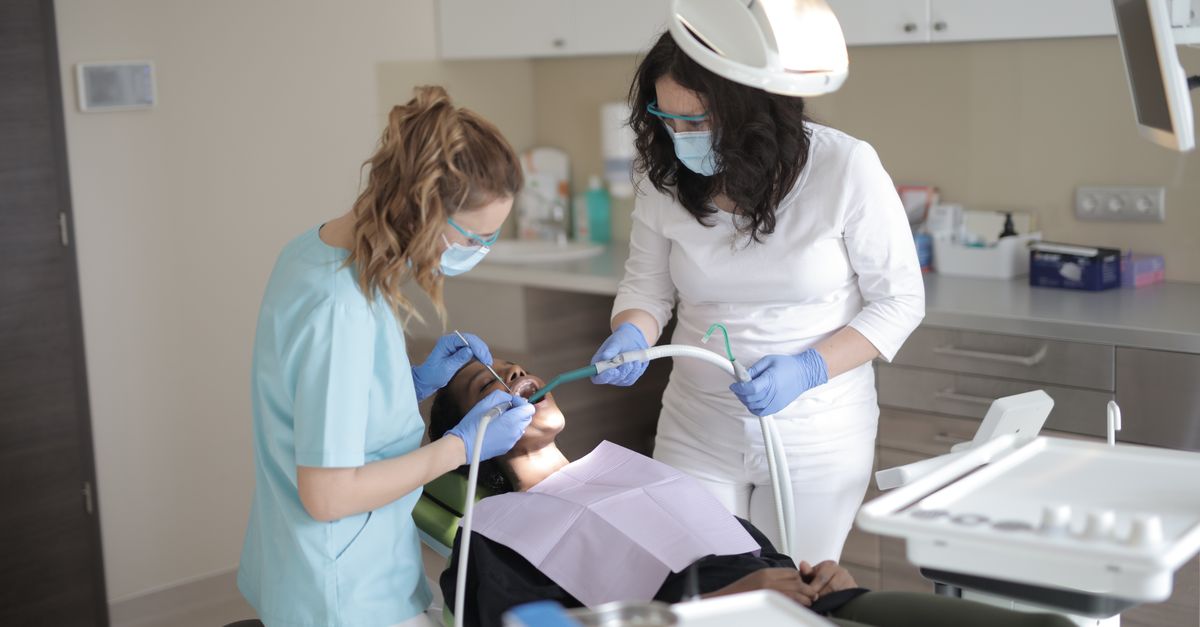
A dental visit typically begins with a preliminary assessment conducted by the dental hygienist. This includes checking your dental and medical history, along with a thorough examination of your gums and teeth. X-rays may be taken to provide deeper insight into any underlying issues not visible to the naked eye. The dental professional will then clean your teeth, removing plaque and tartar, which helps prevent cavities and gum disease.
Following the cleaning, the dentist will discuss any findings and recommend appropriate treatments or preventive measures. This discussion may also cover oral hygiene practices that can be reinforced at home. The dentist helps in creating a tailored plan that keeps your dental health in check, ensuring concerns are addressed before they escalate. Regular visits contribute significantly to overall oral well-being.
FAQS
What are some healthy dietary choices for promoting dental health?
Healthy dietary choices for promoting dental health include consuming foods rich in calcium, phosphorus, and vitamins, such as dairy products, leafy greens, nuts, and lean proteins. Additionally, incorporating crunchy fruits and vegetables like apples and carrots can help clean teeth naturally.
How can I limit sugary snacks and drinks for my family?
To limit sugary snacks and drinks, try to stock healthier alternatives, such as fresh fruits, yogurt, and nuts. Additionally, encourage water consumption instead of sugary beverages and set designated snack times to create a routine that minimises impulse snacking.
What types of foods can I offer as alternatives for a healthier diet?
Alternatives for a healthier diet include whole grains, fresh fruits and vegetables, unsweetened yogurt, and cheese. These options are not only nutritious but also beneficial for dental health as they promote saliva production, which helps neutralise acids in the mouth.
Why are regular dental check-ups important for my family's oral health?
Regular dental check-ups are essential as they allow for early detection of potential issues, professional cleaning to remove plaque and tartar, and personalised advice from dental professionals. This proactive approach helps maintain good oral health and prevents more serious problems in the future.
What can we expect during a dental visit?
During a dental visit, you can expect a thorough examination of the teeth and gums, possibly including X-rays to check for any underlying issues. The dentist or hygienist will also perform a professional cleaning, removing plaque and tartar, and may provide guidance on improving dental hygiene practices at home.
Related Links
Creating a Family Dental Care Routine for All AgesThe Importance of Community Resources in Dental Education
The Impact of Regular Dental Check-ups on Long-term Health
Understanding the Link Between Diet and Oral Health
How Preventative Programs Can Reduce Dental Costs
The Benefits of Early Preventive Dental Visits
Empowering Children Through Dental Education