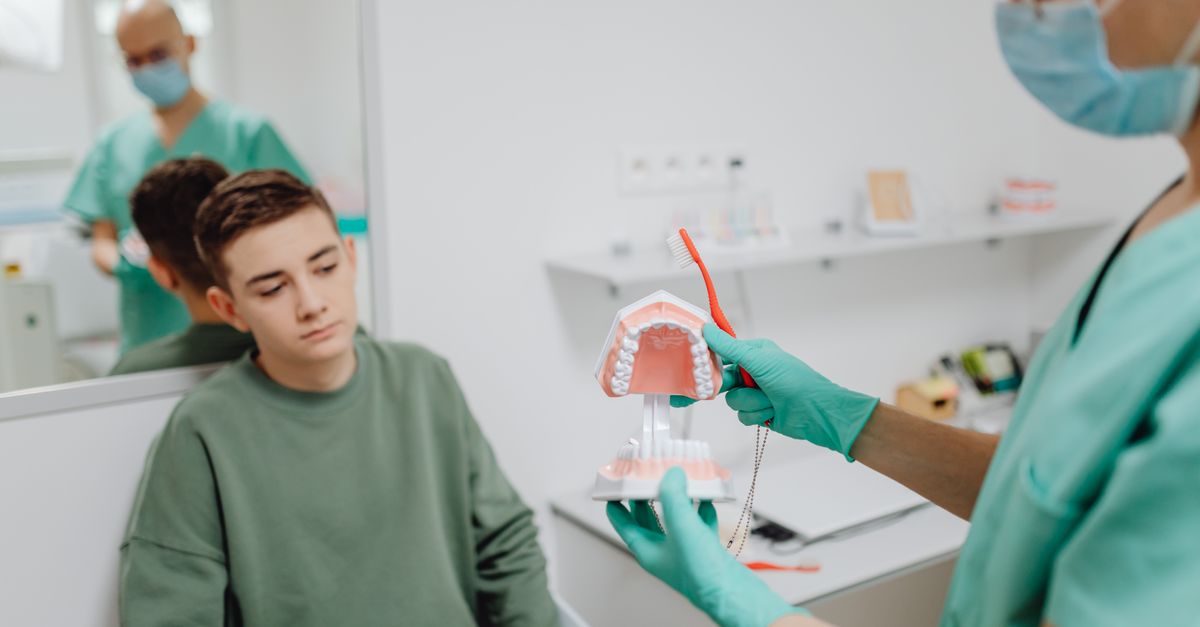
Empowering Children Through Dental Education
Table Of Contents
Community Programs Promoting Oral Health
Community efforts aimed at promoting oral health play a crucial role in enhancing children's understanding of dental hygiene. Local schools and community centres often serve as platforms for these initiatives, bringing together children and families. Workshops and interactive sessions educate families on the importance of regular dental check-ups, maintaining proper oral hygiene, and healthy dietary choices. Engaging activities, such as fun games or demonstrations, often resonate with children, making the learning experience enjoyable while reinforcing key messages about oral health.
Furthermore, partnerships with organisations such as dental clinics and health agencies amplify the reach of these programs. Professionals share their expertise through presentations, offering practical advice and insights about oral care. Provision of free dental screenings or consultations during community events gives families a chance to access necessary services. These collaborations not only help in improving awareness but also promote a culture of preventive care within the community, ensuring that children grow up with a solid foundation of dental knowledge.
Collaborating with Local Dental Practices
Local dental practices play a vital role in enhancing community programmes focused on oral health education. By partnering with schools and community organisations, these professionals can offer their expertise and resources. This collaboration can include presentations, workshops, and interactive sessions that engage children and parents alike, fostering a better understanding of oral hygiene. Such initiatives ensure that children receive accurate information about dental health while allowing practitioners to build relationships within their communities.
Involving dental professionals in educational programmes helps create an environment where children feel comfortable discussing their oral health. Practitioners can provide age-appropriate advice on daily care routines and the importance of regular check-ups. Their presence at school events and health fairs can demystify dental visits for young patients, encouraging positive attitudes towards maintaining good oral hygiene. This open dialogue not only promotes a healthier future generation but also reinforces the importance of preventive care in overall health.
The Impact of Technology on Dental Learning
Technology has revolutionised various aspects of education, and dental learning is no exception. Interactive resources, such as educational apps and engaging videos, provide younger audiences with a unique way to grasp complex dental concepts. These tools make learning more enjoyable and can capture the attention of children who may otherwise find traditional methods dull.
Furthermore, the availability of online platforms allows children to explore oral health topics at their own pace. Gamification elements in apps encourage participation and retention of information, turning learning into an engaging experience. Both teachers and parents can utilise these resources to reinforce dental education, ensuring children develop positive attitudes towards their dental health from an early age.
Utilising Educational Apps and Videos
The rise of digital technology has revolutionised the way educational content is delivered to children. Apps designed specifically for teaching kids about oral hygiene provide engaging visuals and interactive elements. These tools can simplify complex information, making dental care accessible and appealing to young learners. Children often respond well to gamified learning experiences, increasing their retention of important concepts related to oral health.
Video content is another valuable medium that complements app-based learning. Short, informative videos featuring animated characters or relatable narratives can empower children with knowledge about dental hygiene practices. Visual demonstrations of brushing techniques and the importance of regular dental check-ups create a comprehensive learning experience. This approach not only educates but also reduces anxiety associated with dental visits, paving the way for a more positive perception of oral health in children.
Understanding Dental Visits
A dental visit can be a significant experience for children, especially when it’s their first appointment. Understanding what to expect helps in alleviating anxieties. Parents can introduce discussions about dental visits during routine conversations about health. Simple explanations about the dentist's role, the tools used, and the importance of maintaining oral hygiene can demystify the experience. Books or videos aimed at children can also provide visual aids, making it easier for them to relate to and comprehend the process.
Preparation is key to a positive outcome. Before the appointment, families should practice positive affirmations and emphasize the benefits of visiting the dentist, such as keeping teeth healthy and strong. Familiarising children with the dental office environment can further ease their concerns. A pre-visit walk-through or meeting the reception staff enhances comfort, making the actual appointment feel less daunting. Engaging children in discussions about dental care reinforces good habits while showing them that oral health is important.
Preparing Children for Their First Appointment
The first visit to the dentist can be a significant milestone for children. Ensuring they feel comfortable and informed is essential for reducing anxiety. Parents can initiate positive conversations about dental visits well in advance. Sharing stories, reading books about dental experiences, or watching videos designed for children can help demystify the process. Encouragement and reassurance play a vital role in fostering a positive mindset.
Preparation can also include a tour of the dental practice. Familiarising children with the environment helps diminish fear. Meeting the dental team and exploring the waiting area creates a sense of belonging. Explaining the tools used during examinations can make them less intimidating. Using simple terms ensures children understand what to expect, making the appointment an enjoyable and educational experience.
FAQS
Why is dental education important for children?
Dental education is crucial for children as it helps them understand the importance of oral hygiene, promotes healthy habits early on, and reduces the fear associated with dental visits.
How can community programs improve children's oral health?
Community programs can improve children's oral health by providing access to educational resources, dental screenings, and preventive care, while also fostering a supportive environment for healthy oral practices.
What role do local dental practices play in dental education for children?
Local dental practices can collaborate with schools and community organisations to offer workshops, demonstrations, and hands-on experiences, helping to educate children about proper dental care and hygiene.
What types of educational apps are available for teaching children about dental health?
There are various educational apps designed for children that make learning about dental health fun and interactive, featuring games, quizzes, and animated content to engage young learners.
How can parents prepare their children for their first dental appointment?
Parents can prepare their children for their first dental appointment by explaining what to expect, reading books about visiting the dentist, and using positive reinforcement to alleviate any anxiety they may have.
Related Links
The Benefits of Early Preventive Dental VisitsThe Role of Preventative Care in Family Dentistry
Creating a Family Dental Care Routine for All Ages
Strategies for Encouraging Healthy Dental Habits at Home
The Importance of Community Resources in Dental Education